
I've always been fascinated by the relationship between design and storytelling.
Whether I'm studying the craftsmanship of a Viking sword, sketching a forgotten ruin, discovering a character or imagining the culture that forged a legendary artifact, I'm always asking the same questions: Who are they? Who made this? Why? What problem was it solving? Where did it come from? What does it tell us about the people who built it?
That curiosity and my connection to storytelling are the foundation of my work as a concept artist.
Ultimately, every design should come from the deeper roots of the story it belongs within. Characters should communicate who they are through pose, costuming, expression and culture. Creature design should reveal how a creature survives, hunts, or threatens the world around it. Weapons should tell us about the culture and the people who forged or wield them. Every visual design is an opportunity to communicate story, culture, function, and ultimately meaning. Design without meaning is bad communication.
History, mythology, psychology, engineering, and the natural world all influence how I approach worldbuilding. They aren't the references I blindly copy, they're lenses that help me create worlds that feel lived in, believable, and worth delving into.
My sketchbook is where my worlds begin. It's my playground, my notebook, and my wizard's tower. It's where curiosity becomes exploration and exploration occasionally turns into a little bit of conjuration magic. I sketch to learn, to record ideas, refine ideas, and to discover worlds I want to delve into.
Before dedicating myself fully to concept art, I spent more than a decade leading design teams, building digital products, and solving complex creative problems. That experience taught me to think in systems, collaborate across disciplines, and design with clarity and intention. Today, I bring that same mindset to visual development, creating concepts that communicate clearly, support gameplay, and give production teams a strong foundation to build from.
Whether I'm designing a legendary sword, a forgotten civilization, or the hero who carries the weight of the story on their back, my goal is always the same: to build worlds that feel lived in, believable, and worth believing in.
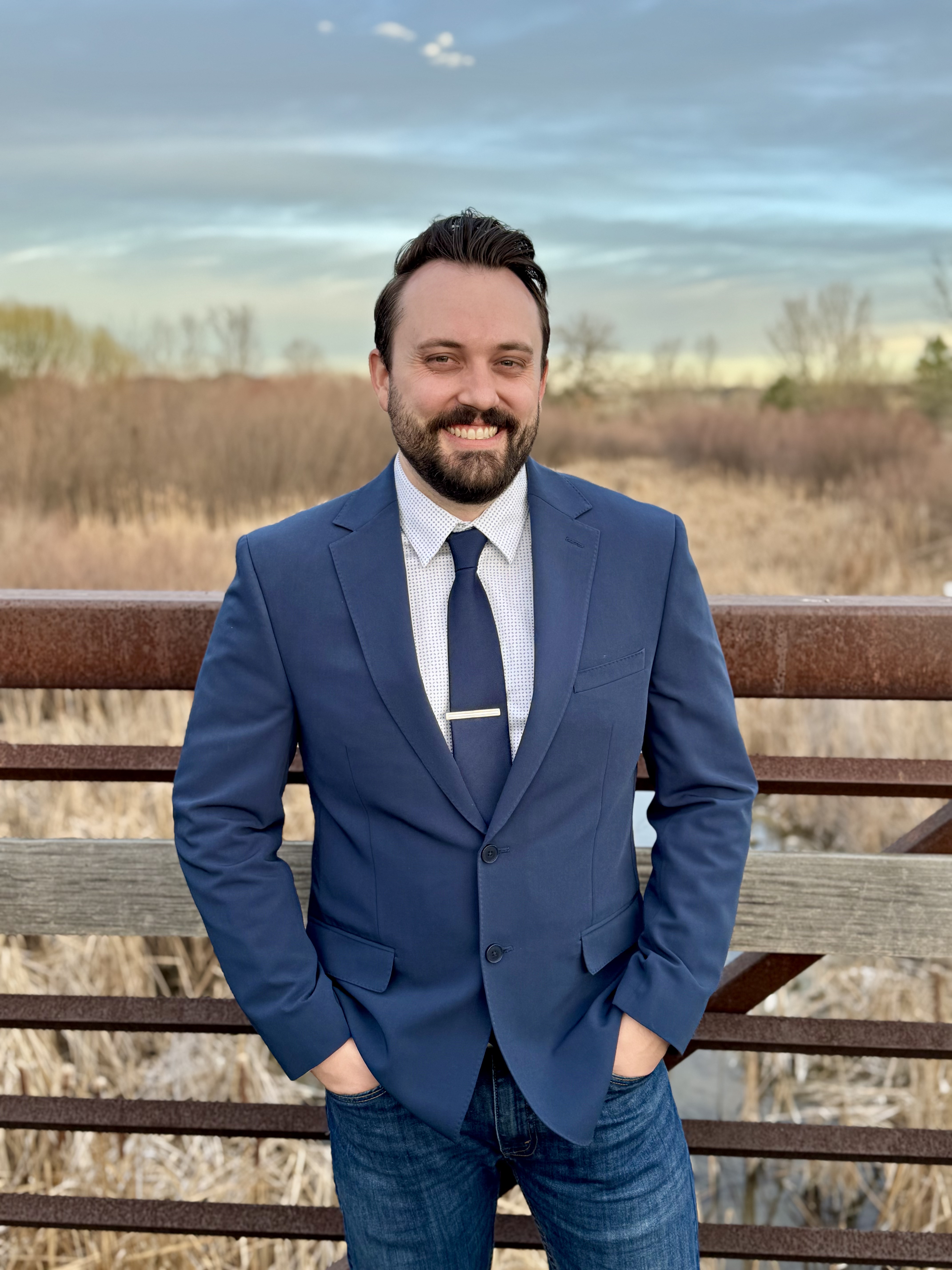



I believe design is the bridge between imagination and understanding. Story gives a world meaning; design gives it form, function, and clarity so other people can believe in it too.
I've always believed every great world begins with a story. Stories define the characters we meet, the places we explore, and the challenges we overcome.
People read shape, contrast, posture, and proportion long before they notice detail. I lean on those instincts to create designs that communicate their purpose at a glance. Clarity isn't shape design with the absence of detail, it's making sure every detail reinforces the story
Concept art isn't just about creating beautiful images. It's about communicating ideas so clearly that players, teammates, and production teams all share the same vision.
Every world has rules. Every game has limitations. Rather than restricting creativity, thoughtful constraints give it direction. They help teams make consistent decisions and create worlds where every piece feels like it belongs.
Every world is built from the same core ingredients. I love designing the pieces that make those worlds feel believable, memorable, and worth exploring. I draw from history, myth, and psychology to give every design a reason to exist within the world it inhabits.
These are the characters whose designs communicate personality, class, and gameplay purpose at a glance. I aim to tell their story through shape language, costuming, and pose.
Creatures and enemies designed to create memorable encounters while reinforcing the world's lore, gameplay, and mechanics. Every foe should challenge the player while revealing something about the world it inhabits.
Swords, spears, staves, props, and artifacts that reveal history, support gameplay, and reward player curiosity.
Environments shape culture, define visual language, and establish the boundaries that influence how players explore and interact with the world. I strive to make every location feel like it belongs to something larger than itself.
Great worlds aren't built with individual ideas in isolation. They're built through the relationships between the people, the world they live in, the items they use to survive, the relationships they build, the deep meanings that define their culture, and the environment they thrive in or fight against. I enjoy thinking about those connections and how they will impact gameplay as much as the individual designs themselves.